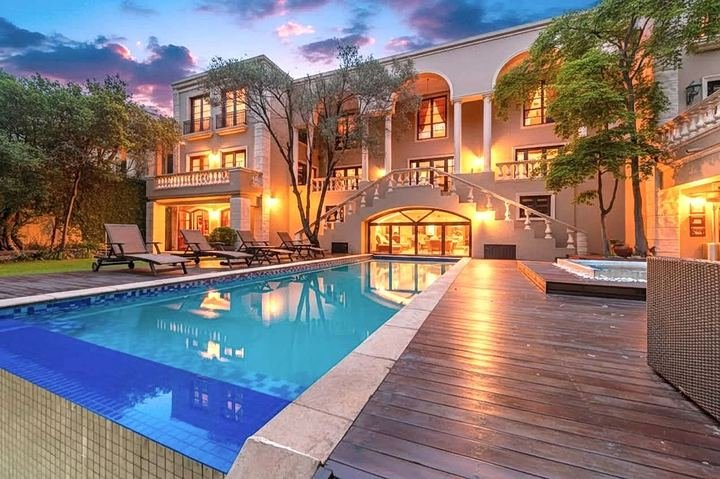
Greater Kailash 1 property guide: blocks, prices and what to check
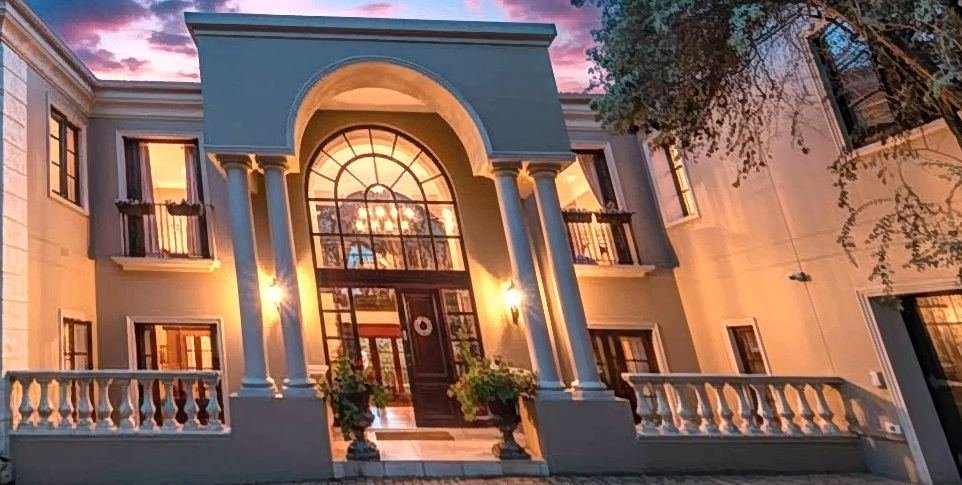
GK-1 is South Delhi's busiest builder-floor market. Here is how the blocks compare, what floors cost and the paperwork to check before you pay a token.
Greater Kailash 1 has been one of South Delhi's most sought-after addresses since the 1960s. It is large enough to offer real choice, central enough to reach Lodhi Road or Nehru Place quickly, and its two markets — M Block and N Block — give it a neighbourhood life that newer colonies lack.
How GK-1 is laid out
The colony is divided into lettered blocks (A to W, with some letters skipped). Blocks around the M and N Block markets are lively and convenient; blocks closer to the Outer Ring Road and the inner parks are quieter. Kailash Colony station (Violet Line) and Greater Kailash station (Magenta Line) mean most homes are within a short walk or drive of the Metro.
What kind of homes trade here
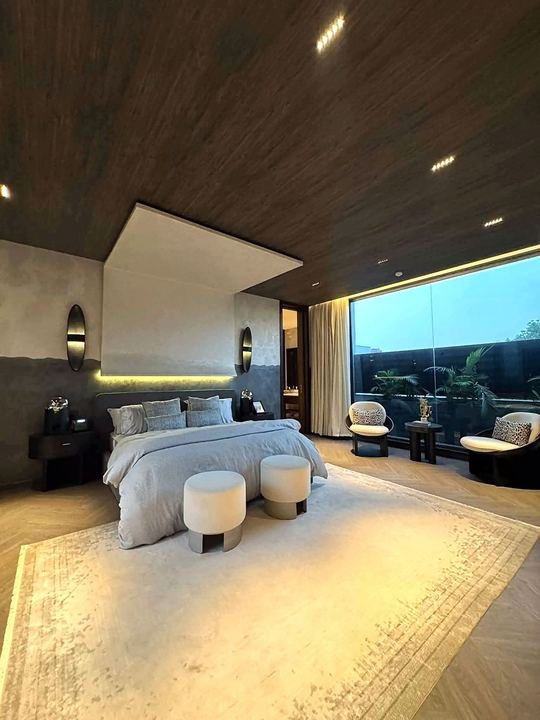
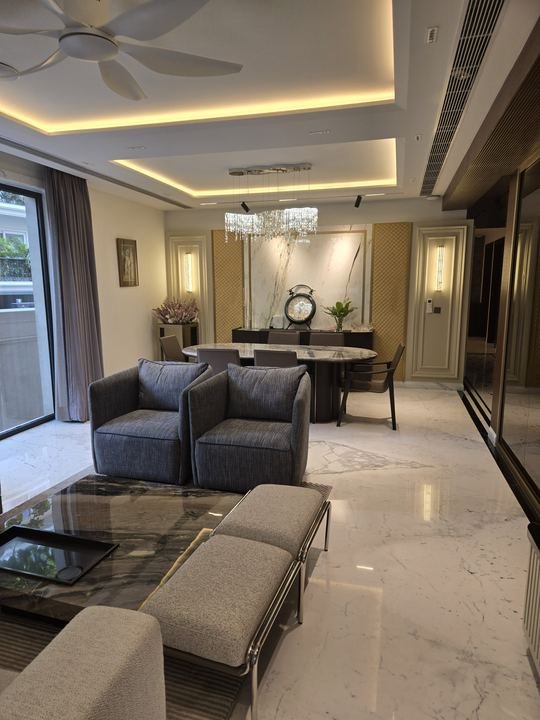
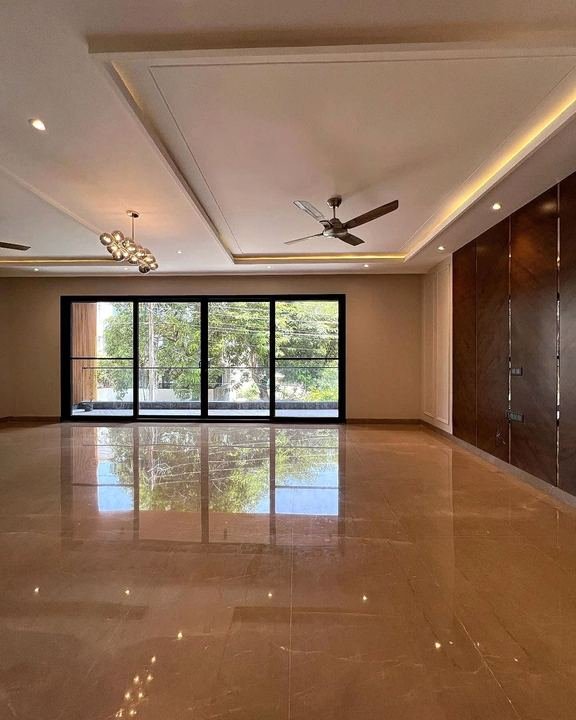
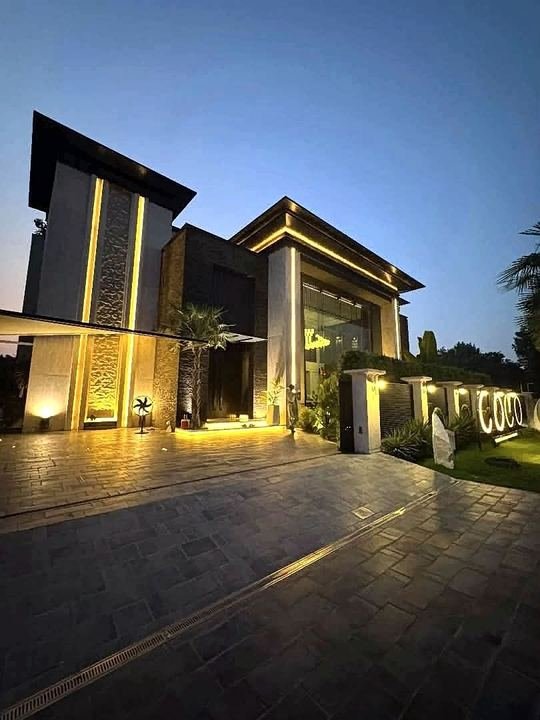
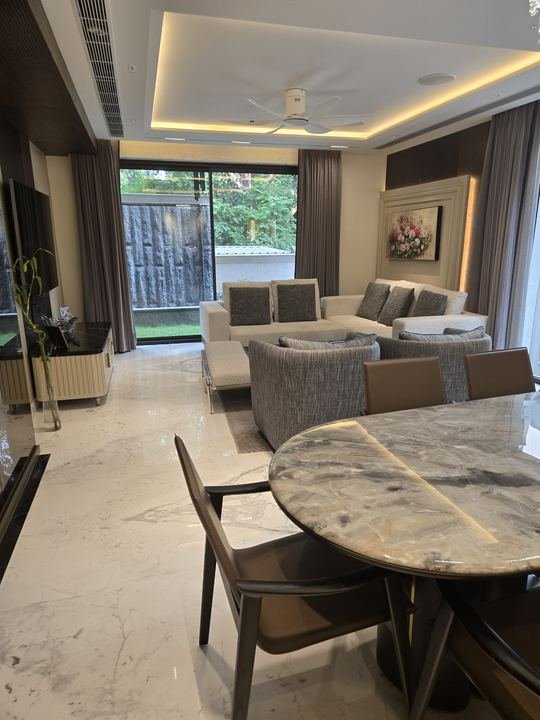
Almost all fresh supply is stilt-plus-four builder floors built on plots of 250, 300, 400 and 500 sq yd. A typical 300 sq yd plot gives four floors of roughly 2,200–2,500 sq ft each, plus stilt parking. Buyers usually choose between:
- Ground floor — easiest access, often with a small front lawn; sometimes sold with the basement as a duplex.
- First and second floors — the most balanced choice for light, privacy and price.
- Top floor with terrace — the penthouse option; carries a premium because of the private roof.
Park-facing and corner plots command a clear premium over internal plots of the same size.
Prices in 2026
GK-1 is a Category B colony, so the land circle rate is ₹2,45,520 per sq m. Market prices are far higher. As a working range, new 300 sq yd floors trade around ₹6–9 Cr, and large park-facing floors on 500 sq yd plots go beyond ₹12 Cr. See our live GK-1 listings for current asking prices.
What to check before you pay a token
- The sanctioned building plan and whether the completion certificate has been issued.
- That your share in the land (usually 25% for one of four floors) is written into the sale deed.
- Parking — is your stilt slot numbered and allotted?
- Roof rights — who owns the terrace, and can the top-floor owner build on it?
- The builder's warranty on structure, seepage and lifts.
Living in GK-1 day to day
Daily life in GK-1 revolves around its markets. M Block has restaurants, cafés, bakeries, banks and fashion stores, and N Block is a little calmer, with grocers, pharmacies and neighbourhood services. Schools in and around the colony, along with hospitals in Kailash Colony and Saket, are a big reason families stay here for decades.
Traffic is the main trade-off. The streets around the markets get crowded in the evenings and on weekends, so families with young children or elderly parents often prefer blocks a few streets away from the commercial areas.
Who buys in GK-1
- Upgrading families moving from smaller floors in Lajpat Nagar, Kalkaji or GK-2
- Business families who want a central address with good schools nearby
- Investors who buy new floors from builders and lease them to professionals
- NRIs buying a base in Delhi for parents or for their return
Renting in GK-1
Rental demand is strong from consultants, embassy staff and corporate executives. A new, well-finished 4 BHK floor on a 300 sq yd plot usually rents for ₹1.75–3 lakh a month, depending on furnishing and whether it faces a park.
Frequently asked questions
Is GK-1 better than GK-2? GK-1 is more central and has the stronger market; GK-2 often gives slightly more space for the same budget. Read our GK-2 guide to compare.
How much stamp duty will I pay? In Delhi it is 6% for men, 4% for women and 5% for joint ownership, plus 1% registration. Use our stamp duty calculator for an exact figure.